Let’s start with a confession: I’ve fallen for every trend. There was the all-gray-everything phase. The fiddle-leaf-fig-in-every-corner era. The rush to buy a scalloped-edge side table because it was “in.” And each time, after the initial thrill faded, I was left with a strange hollowness. The room looked like a page from a catalog, but it didn’t feel like my home. It felt like a very tasteful Airbnb.
We’re living in an age of aesthetic whiplash. Algorithms serve us a new “core” (cottagecore, grandmillennial, coastal grandma) every season. The pressure to have a home that is photogenic has eclipsed the simple need for a home that is personal. We’ve become expert stylists and terrible storytellers.
But a soulful home is different. It’s not a style you can pin on Pinterest. It’s a feeling. It’s the deep sigh of relief when you walk through your own door. It’s the space that whispers your story back to you, in the patina of a wooden table, the spine of a well-loved book, the splash of color from a painting you bought on a trip. Cultivating a soulful home isn’t about rejecting beauty; it’s about redefining it. It’s the radical act of choosing meaning over matching. Let’s begin the excavation.
Part 1: The Diagnosis: Why Does My Beautiful Home Feel So Empty?
We’ve conflated a few key things that are leading us astray:
- We confuse Styling with Living. Styling is for photos. Living is for life. A perfectly fluffed pillow on a sofa no one is allowed to sit on is styling. A blanket left crumpled from last night’s movie is living.
- We prioritize Visual Cohesion over Emotional Resonance. Does everything match your color palette? Great. Does any of it make your heart skip a beat? That’s the real question.
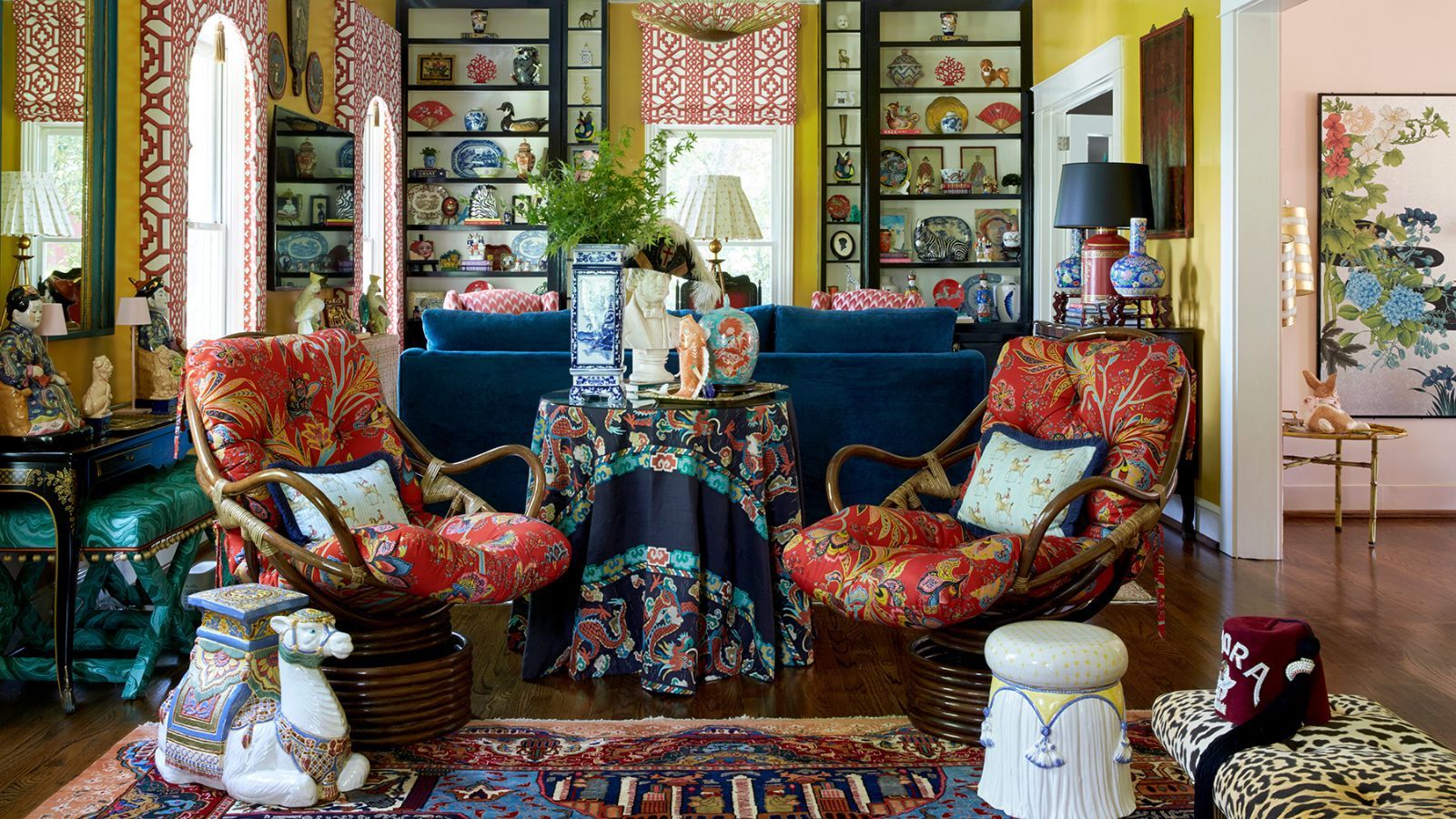
- We outsource our taste to algorithms. We see something repeated 1,000 times and mistake popularity for personal preference. Your soul doesn’t care what’s trending on TikTok.
The result is what I call “Stylistic Impersonation Syndrome.” Your home is a flawless impression of a look, but it has no voice of its own. A soulful home is the antidote: it’s an original, not a copy.
Part 2: The Soulful Blueprint: Principles, Not Prescriptions
You can’t buy soulfulness. You cultivate it through intention. These principles are your guide.
Principle 1: The Patina of Time (Embrace the “Already Loved”)
Soul resists the brand new. It accumulates in layers, like rings on a tree. Seek out pieces with a history.
- The Heirloom: The quilt your grandmother made, the wonky pottery from your child, the vintage desk with ink stains.
- The Worn & Weathered: The leather chair that’s softened and darkened where people sit. The oak floor with gentle dents from a hundred family dinners. The fading on a rug from years of sun.
- The Imperfect Repair: The Japanese art of Kintsugi—repairing broken pottery with gold—teaches us that breakage and repair are part of an object’s history, not something to disguise. A soulful home doesn’t hide its scars; it sees them as part of its story.
Principle 2: The “Why” Behind the “Buy” (Curate with Intention)
Before anything enters your home, hold it and ask the Two Soulful Questions:
- Does it tell a story? (Where did it come from? What memory does it hold?)
- Does it evoke a genuine feeling? (Does it make you calm, inspired, joyful, or curious?)
If the answer to both is “no,” it’s likely just decorative filler. Let it go. Every object should be an answer, not just an accent.
Principle 3: The Sensory Symphony (Design for Feeling, Not Just Seeing)
A soulful home engages all the senses, creating a full-body experience.
- Touch: Is there a mix of inviting textures? Rough linen, smooth stone, nubby wool, cool ceramic, warm wood? Your hands should want to explore your space.
- Sound: Does the room have a pleasant acoustic? Rugs, curtains, and upholstered furniture soften harsh noise. Is there space for quiet, or is it filled with digital hum?
- Smell: Is the air fresh, or layered with the gentle scent of beeswax, coffee, a favorite candle, or dried lavender? Smell is the sense most directly linked to memory and emotion.
- Sight: Is the light warm and gentle? Are there moments of visual rest (a blank wall, an empty shelf) amidst the collections?
Principle 4: The Evolution Clause (Your Home is a Verb)
A soulful home is never “finished.” It is a living document of your life. It must be allowed to change as you do.
- Make room for the new chapter’s artifacts.
- Let the art rotate.
- Accept that the perfect room today might need to shift tomorrow to accommodate a new hobby, a pet, or a simple change of heart.
This takes the pressure off. You’re not building a museum diorama; you’re tending a garden.
Part 3: The Soulful Room-by-Room Guide
The Living Room: The Conversation Pit (Not the Photo Op)
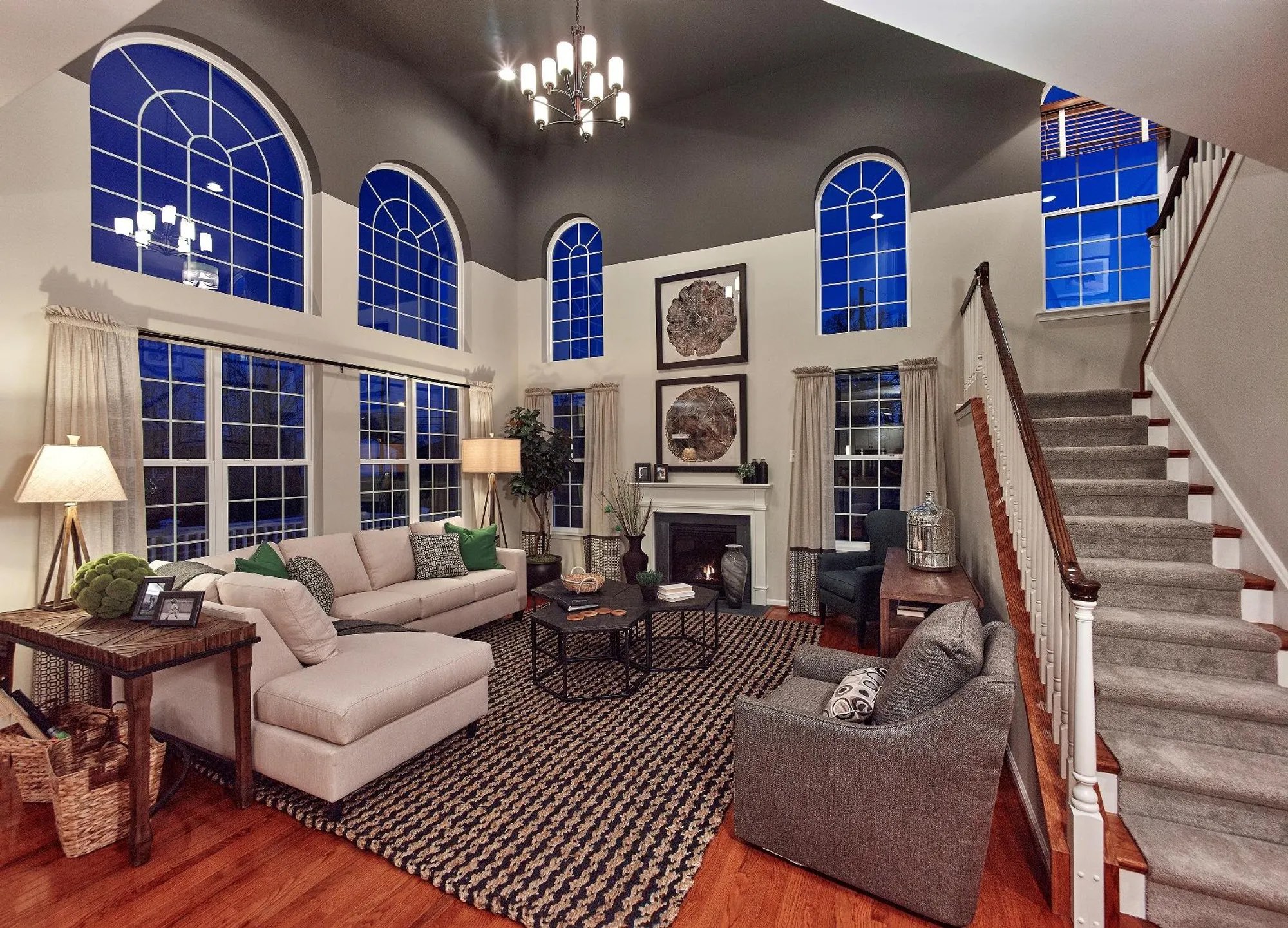
- Arrange for Connection, Not the Camera. Chairs should face each other, encouraging talk. The coffee table should be within easy reach. The TV should not be the focal point by default.
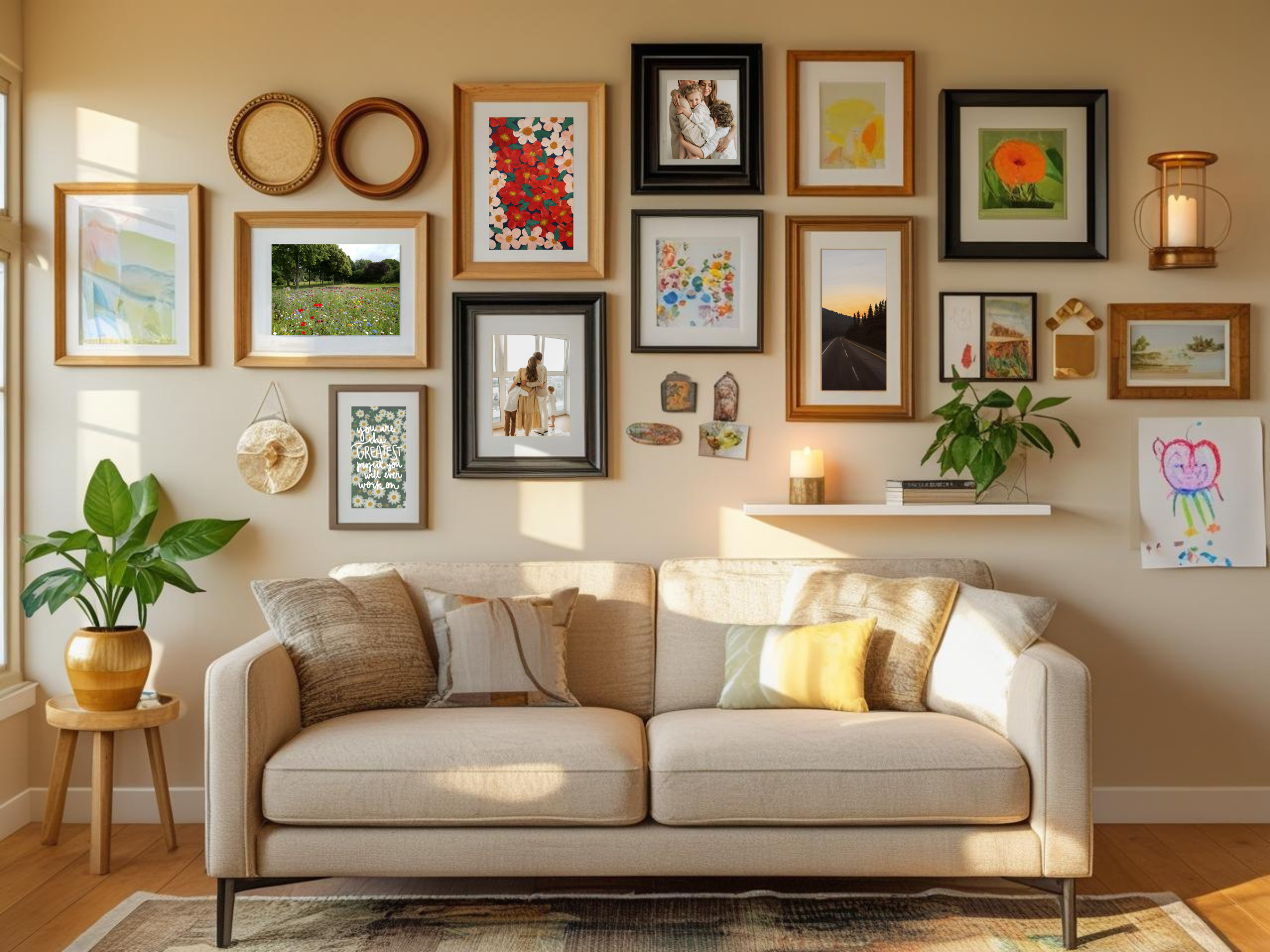
- Display “Active” Collections. Don’t just line up pretty books by color. Have a stack of the ones you’re actually reading. Display the board game you played last weekend. Leave the chess mid-game. Show life in process.
The Kitchen: The Hearth of the Home
- Celebrate “Working” Beauty. Keep the beautiful wooden cutting board out. Have a bowl for truly fresh fruit. Hang your most-used, well-worn utensils. Let it look like a space where nourishing things happen.
- Incorporate the Story. The mug from your favorite café, the recipe card in your mother’s handwriting, the pottery jug from a market abroad.
The Bedroom: The Sanctuary of Self
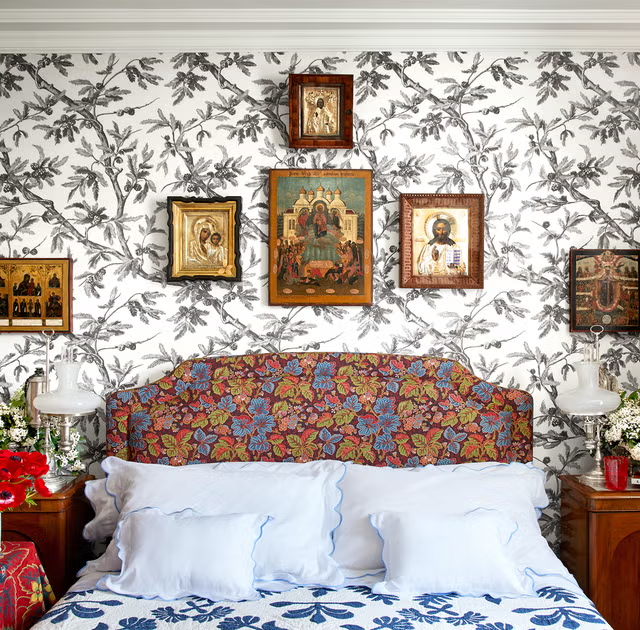
- The Bed is an Altar. Invest in bedding that feels divine to you—the highest thread count cotton, softest linen, coziest duvet. This is non-negotiable self-care.
- Banish the External World. This room’s only job is rest and restoration. Remove work items, demanding technology, and anything that doesn’t serve peace.
- Personal, Not Pretty. The art here should be only for you. A photo of a meaningful landscape, a calming abstract, a sentimental postcard.
The Entryway: The First Sentence
- Make it a Mood Setter. This is the transition from the outside world to your inner world. A small piece of powerful art, a beautiful scent (a cedar block, a simple candle), a textured rug underfoot. It should say, “You are home,” not “Take off your shoes.”
Conclusion: The Home as a Portrait, Not a Product
A soulful home isn’t created in a weekend with a shopping spree. It’s curated over years with curiosity and courage. It requires you to quiet the noise of trends and listen to the quiet voice of your own preference. It asks you to value the slightly odd, the personally significant, and the authentically you over the universally approved.
Start small. Take one shelf, one corner. Remove everything from it. Then, only put back the items that pass the Two Soulful Questions. Feel the space that creates—both physically and emotionally. That quiet, meaningful corner is your blueprint.
Your home should be the most honest portrait of who you are. Not who you’re told to be. Fill it with your stories, your senses, your life. That’s where the soul lives.
FAQs: Your Soulful Home Questions
Q1: My partner/kids have different tastes. How do we create a soulful home together?
A: A soulful home should tell a collective story. This is a beautiful opportunity. Create a shared “inspiration altar”—a shelf or board where everyone can place objects, images, or swatches they love. Look for the common threads (a love of nature, a preference for cozy textures, a shared memory from a trip). Then, grant sovereignty: each person gets a zone (a bookshelf, a desk, a bedroom wall) to express their individual soulfulness without critique. The shared spaces become a curated gallery of your combined lives.
Q2: I’m on a tight budget. Isn’t a “soulful” home expensive?
A: Absolutely not. In fact, soulfulness is often the enemy of expensive, trend-driven consumption. The most soulful items are often free or cheap: a found feather in a vase, a framed postcard, a stack of beloved library books, a quilt made from old clothes, a cutting from a friend’s plant. It’s about meaning, not monetary value. Thrift stores, estate sales, and nature itself are your best resources.
Q3: I love minimalism, but this sounds cluttered. Can a minimalist home be soulful?
A: 100%. Minimalism and soulfulness are not opposites. Soulful minimalism isn’t about empty, sterile spaces. It’s about a radical curation of only the most meaningful. Every single object in a soulful minimalist home would pass the Two Soulful Questions with flying colors. The soulfulness comes from the profound intention and deep connection behind each carefully chosen piece, surrounded by peaceful space that allows them to breathe and be appreciated. It’s quality, not quantity, of meaning.
Q4: How do I deal with the practical need for storage? All my stuff can’t be meaningful art!
A: Soulfulness applies to your visible, daily landscape, not your utility closet. Beautiful, intentional storage is key. Use matching baskets, elegant cabinets, or built-ins to contain the mundane (cleaning supplies, paperwork, kids’ toys). The goal is to create a visual field where the meaningful objects are the stars, and the necessary clutter has a designated, peaceful backstage area. “A place for everything” is a soulful act—it creates calm.
Q5: What’s the first step I can take today?
A: Conduct a “Soul Scan.” Walk through your home with a notepad. In each room, point to one thing that has a real story or sparks a deep feeling. Write it down. Then, point to one thing that is there purely because it was trendy, a gift you feel guilty about, or just filler. Feel the difference in your body. Tomorrow, remove that one filler item. Don’t replace it. Just let the space be. That small act of intentional editing is the seed of your soulful home.