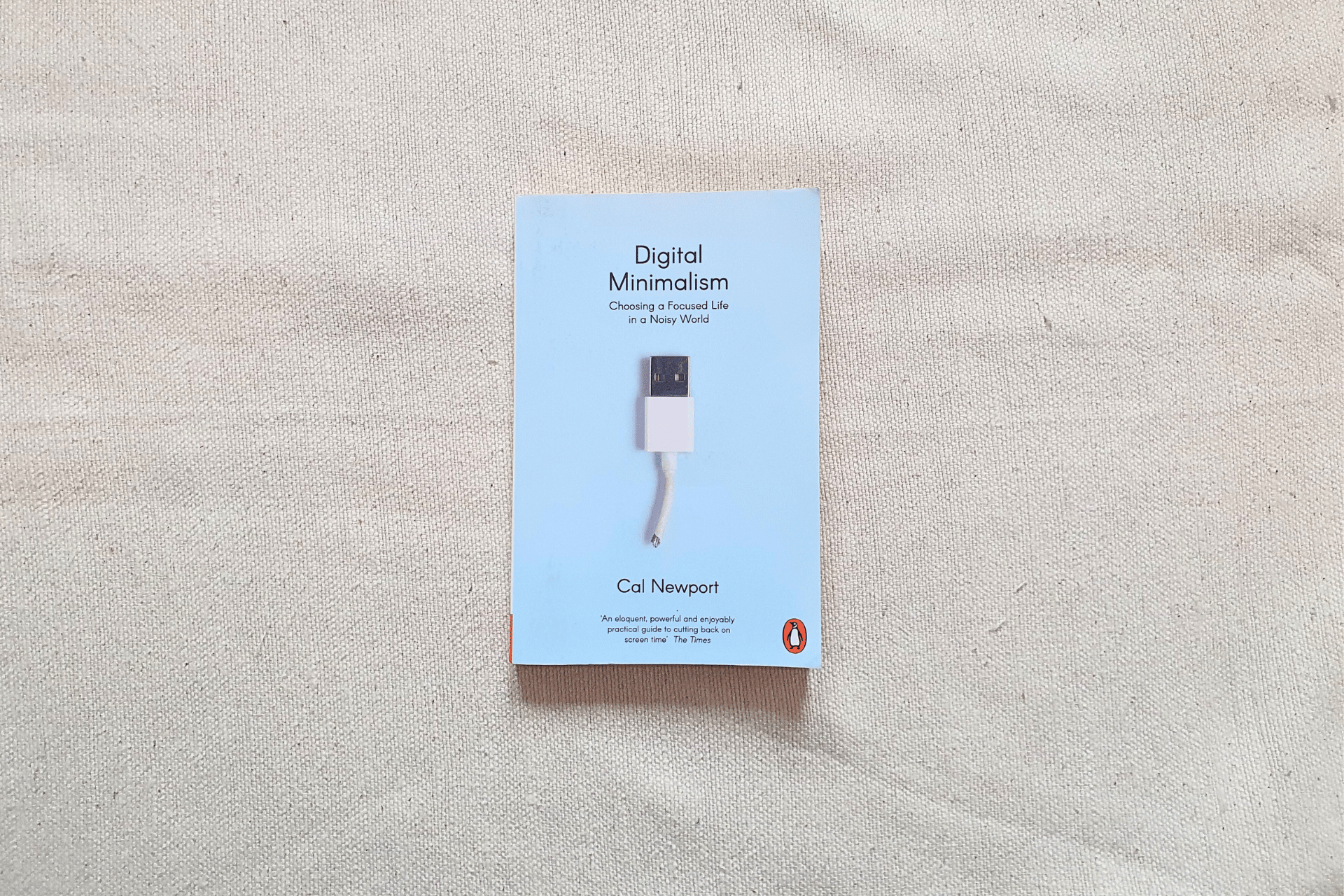
You have a free hour. What’s your first instinct? To “use it productively.” To learn something from a podcast, to knock out a chore, to finally organize that digital folder. We have pathologized stillness. An empty space in the calendar isn’t a gift; it’s a vacuum we feel compelled to fill with output. To do nothing is to be lazy, unambitious, wasting your precious time.
But what if we have it all backward? What if doing nothing is the most productive thing you can do?
I’m not talking about scrolling social media or binge-watching TV. That’s not “nothing”; that’s passive consumption, which often leaves you more drained. I’m talking about true, intentional, unstructured idleness. Staring out a window. Sitting on a park bench with no agenda. Letting your mind wander without a podcast in your ears. This is the Art of Doing Nothing, and it is not a deviation from a successful life—it is the essential, neglected core of one. It’s time to reclaim the profound power of emptiness.
Part 1: The Diagnosis: We’re Suffering from Hyper-Stimulation Sickness
Our modern environment is a state of continuous partial attention. We are never bored. In every sliver of downtime—waiting in line, walking to the car, sitting on the toilet—we pull out a device to feed our brains more input. We’ve forgotten how to simply be with our own thoughts.
This constant low-grade stimulation has a cost:
- It Atrophies Our Attention Spans: We lose the capacity for deep, sustained focus.
- It Blocks Creativity: Breakthrough ideas don’t come from focused grinding; they emerge from the default mode network (DMN), the brain’s “idling” state, which only activates when we stop focusing on external tasks and let our minds wander.
- It Increases Anxiety: By never allowing our minds to process, we leave a backlog of unresolved thoughts and emotions that manifests as background anxiety.
- It Robs Us of Presence: We are so busy documenting, optimizing, and planning our experiences that we forget to actually have them.
Doing nothing is the antidote. It’s not a break from productivity. It’s system maintenance for your most important tool: your mind.
Part 2: The Science of Spacing Out: The “Default Mode Network” is Your Secret Genius
Neuroscientists used to think the brain was quiet when not focused on a task. They were wrong. When you “do nothing,” a powerful network lights up: the Default Mode Network (DMN).
The DMN is responsible for:
- Consolidating Memories and Learning: It takes the day’s experiences and files them away, making connections.
- Creative Insight and “Aha!” Moments: This is where disparate ideas collide to form new solutions. The shower thoughts. The epiphanies on a walk.
- Self-Reflection and Emotional Processing: It helps you make sense of your experiences and your sense of self.
- Planning for the Future (Constructively): Not anxious worry, but big-picture, imaginative thinking.
When you fill every gap with a podcast or a scroll, you are starving your DMN. You are preventing your brain from doing its most integrative, creative, and restorative work. Doing nothing is literally how you think better.
Part 3: The Practice: How to Actually Do Nothing (It’s Harder Than It Sounds)
True “doing nothing” is an active practice of restraint. It’s the conscious choice to not consume, produce, or optimize.
Step 1: Schedule “Nothing Blocks”
Put it in your calendar, like a meeting with yourself. Start with 15 minutes. Call it “Mind Wandering Time” or “DMN Maintenance.” Protect this time as fiercely as any work meeting.
Step 2: Remove the Stimuli
- Leave your phone in another room.
- Sit in a quiet space, or go for a walk without headphones.
- Have no goal. Not to “meditate” or “be mindful.” The goal is to have no goal.
Step 3: Embrace the Awkwardness (It Will Pass)
For the first few minutes, you will itch for your phone. You’ll feel restless. Your mind will scream that you’re being lazy. This is the withdrawal period. Sit with it. Observe the urge without acting on it. After 5-10 minutes, a calm will descend. The mental chatter will slow. This is the space where creativity lives.
Step 4: Engage in “Low-Stimulation Activities”
If pure sitting is too intense, engage in activities that occupy the hands but free the mind:
- Going for a walk (no podcast).
- Knitting or simple doodling.
- Washing dishes by hand.
- Gardening.
These rhythmic, physical tasks are a gateway to the DMN.
Part 4: The Transformative Benefits: What Happens When You Get Good at Nothing
When you regularly practice doing nothing, you don’t become less productive. You become differently productive.
- Enhanced Creativity: You’ll find solutions to problems you’ve been grinding on for weeks appearing out of nowhere.
- Improved Decision-Making: With a less cluttered mind, you can see options and consequences more clearly.
- Deeper Emotional Resilience: You give yourself time to process emotions instead of burying them under busyness.
- Restored Patience and Presence: You become more comfortable with slowness and better at listening—to others and to your own intuition.
- Reduced Burnout: You build in natural recovery periods, preventing the mental fatigue that comes from constant doing.
Conclusion: The Power of the Pause
In a culture that worships hustle, choosing to do nothing is a radical act of defiance. It is a declaration that your worth is not tied to your output, and that the quality of your inner life matters as much as your external achievements.
You are not a machine to be optimized. You are a human being who needs space to breathe, to integrate, to dream, and to simply be.
Start small. Tonight, after dinner, sit on your porch or by a window for ten minutes. Do not bring your phone. Do not try